What city building strategy games really test
A city builder becomes a strategy game the moment resources run short. You cannot build everything at once, so every construction is also a choice about what waits. The skill being tested is ordering: which building unlocks the most for the least, and which can sit untouched for a week.
That is why two players with similar cities can be far apart a month later. One followed a plan. The other upgraded whatever looked cheapest that day.
Deciding what to build first
Start with whatever gates everything else. In most city builders that is a central building, a town hall or a castle, whose level caps the others or opens new space. Raising it early widens every later choice.
Next come the producers. Buildings that make resources pay for themselves over time, so an upgrade bought on day two keeps paying for weeks. Upgrades that only add comfort or prestige can usually wait until the economy is running.
Leave room for exceptions. If an attack is coming on a known date, a defensive upgrade jumps the queue. A plan is a default order, and good players break it on purpose.
Balancing resources in medieval city building games
Medieval city building games usually run on a handful of materials such as food, wood, stone and metal. Shortages rarely come from low income overall. They come from one material falling behind. When an upgrade stalls, find the bottleneck and push the building that makes it.
Full storage is waste too. If a resource keeps hitting its cap, spend it or shift effort toward the one you lack. Collecting at regular times, before stores fill, gets more out of the same city.
Queues and timers: thinking two steps ahead
Most city building strategy games limit how much you can build at once with a queue. The trick is to match the timer to your day. Long upgrades belong before sleep or work, and short ones fit the moments when you can check back soon.
An idle queue is the most common leak. Before closing the game, make sure something is building, and keep the resources for the next step ready so you can start it straight away.
How Crownforge handles the plan
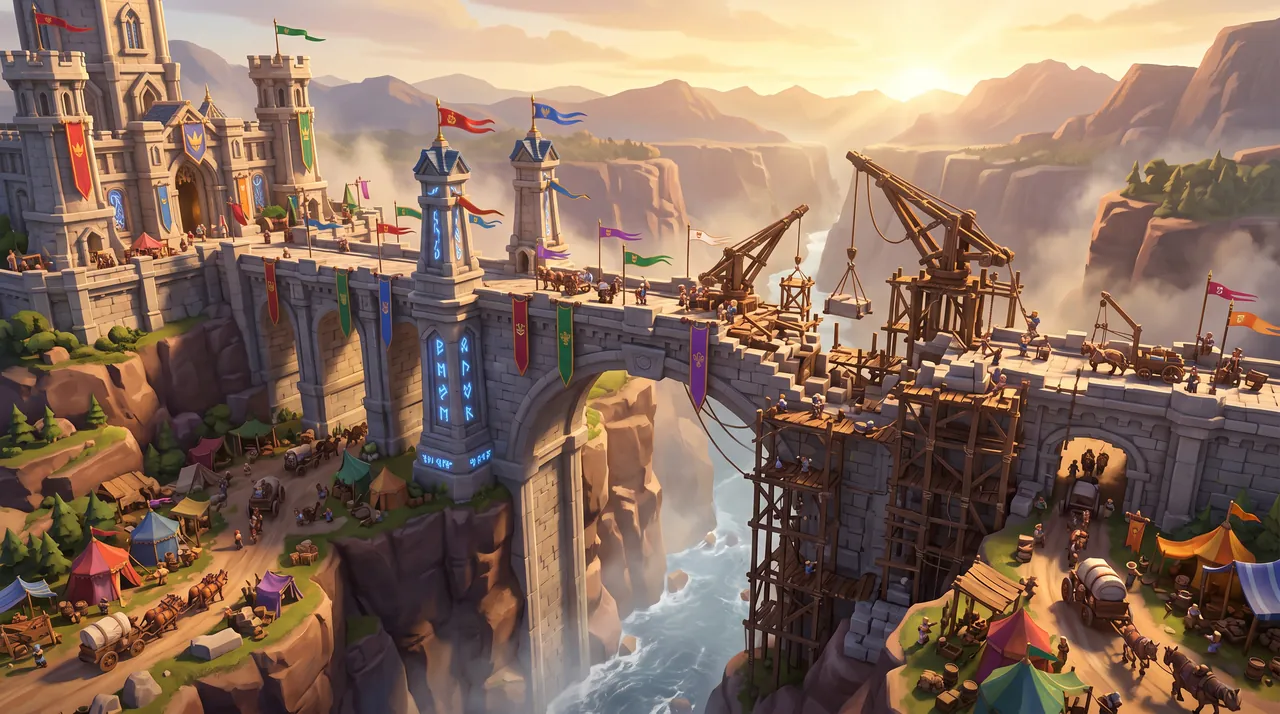
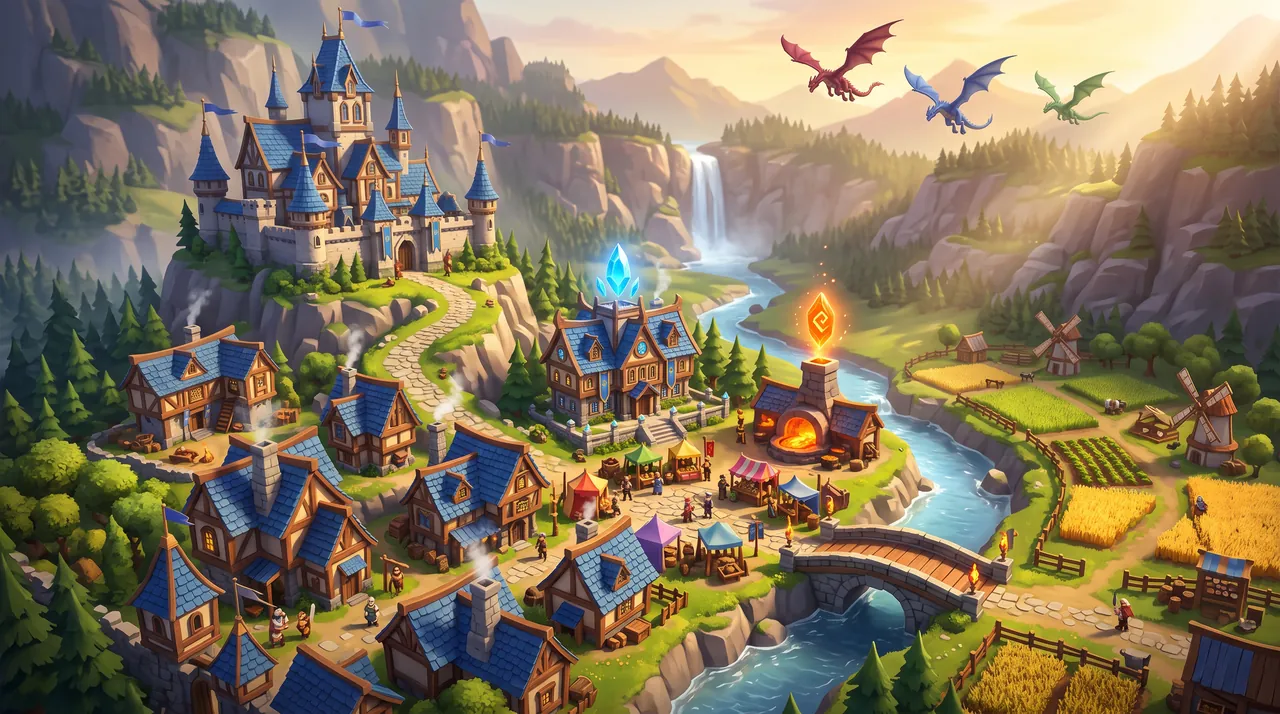
In Crownforge, the castle and every building have 30 levels in six painted stages, and each stage opens new districts. That makes the castle the gate described above. The farm, sawmill, quarry and mine are the producers, while the forge, marketplace, Academy, Tavern and Mage Tower turn resources into strength, magic and heroes.
Production keeps running for up to 12 hours while you are away, so the advice about collecting before stores fill applies directly. An internet connection is needed. Players who pre-register on Android get a second build queue for 14 days, which lets a beginner keep the economy and the castle growing in parallel.
Testing your plan in the browser or on Android
The browser version of Crownforge is playable today in open beta, so balance and screens still change as the game is tuned. The Android app can be pre-registered on Google Play now, with launch planned for 1 December 2026, and one account carries the same city across phone, tablet and browser.
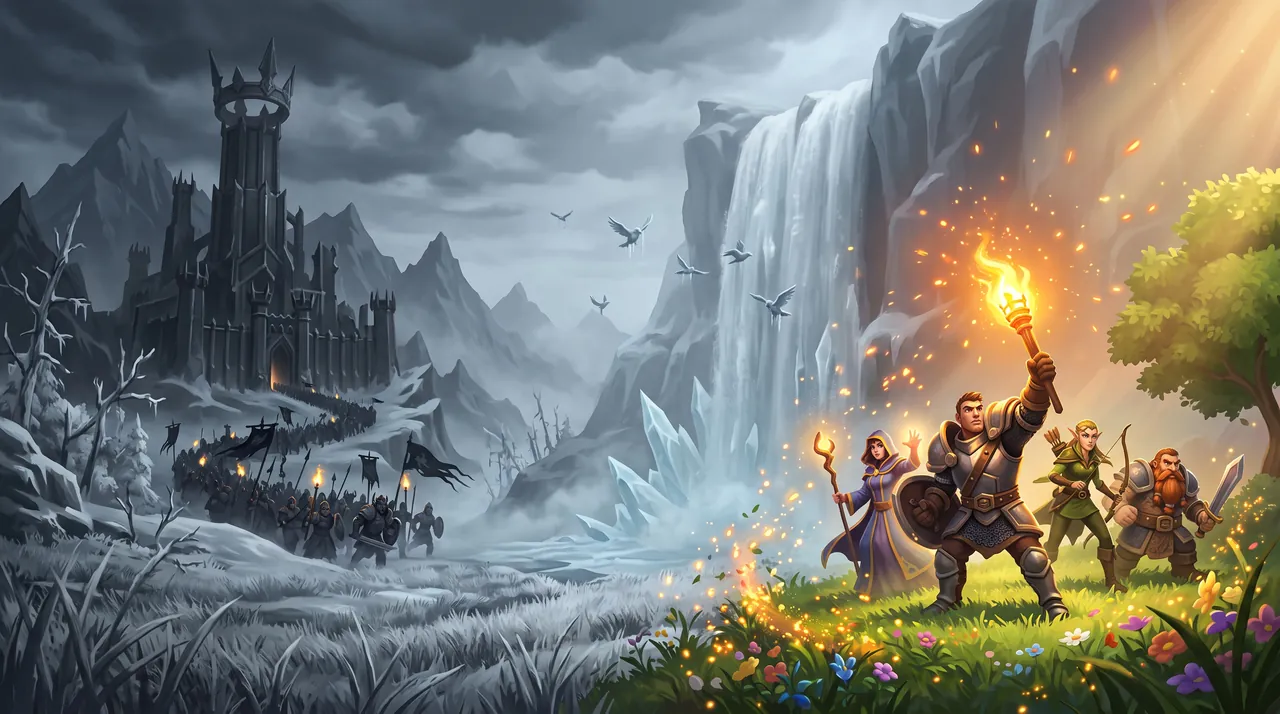
Twice a week the Black Banner Raid hits your wall, a tower defense battle on your own city map. Other players cannot attack your city, so the only pressure on your build order comes from the game itself.