What a city builder game is
At its simplest, a city builder game is about placing and upgrading buildings so that a settlement grows. Some titles simulate traffic, taxes and citizens in detail. Others, especially on phones and in the browser, keep the simulation light and focus on progression: each upgrade unlocks a bigger one, and the town visibly changes as you go.
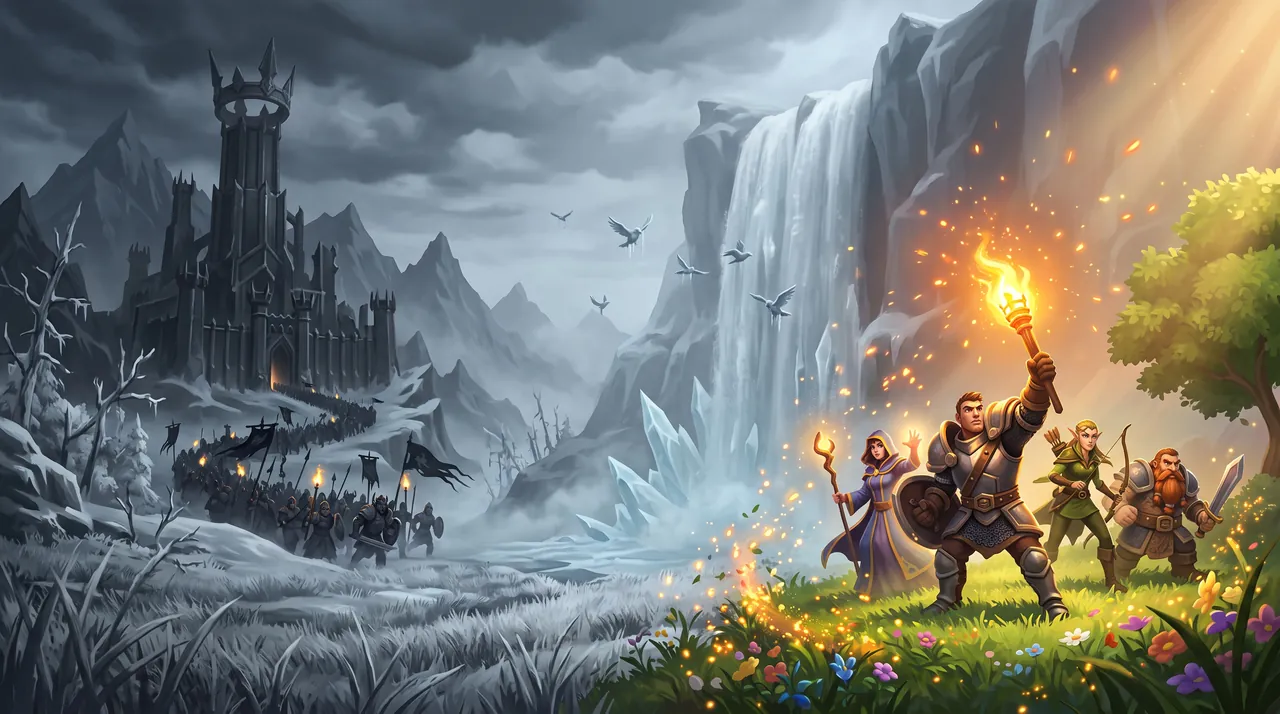
Many modern city builders also add a second layer, such as battles, heroes or a map to explore. The building part stays at the centre. The extra layers give the city something to work for.
The core loop of a city building game
Almost every city building game runs on the same loop. Buildings produce resources, resources pay for upgrades, and upgrades raise production or open new options. Then the loop starts again on a larger scale. The pace of that loop decides how the game feels. A fast loop suits short visits, while a slow one asks for planning over days.
Timers are part of the loop in most free games. An upgrade takes real time, so the skill shifts from clicking quickly to choosing well. What you start before you leave matters more than what you do while the screen is on.
How to judge a city builder game
Spend an hour with a new game and ask a few questions. Does the city look different after a few upgrades, or do numbers simply go up? Is there a long goal you can see from the start, such as a maximum level or a final stage of the town? Does the game fit the time you have, and does it keep working while you are away?
Then look at the business side. A fair game shows prices clearly, shows the odds before any random draw and does not pause play for adverts every few minutes. Check whether other players can attack your town, because that changes how relaxed a city building game feels.
Mistakes beginners make
The most common one is spreading upgrades evenly across every building. It feels tidy, yet it usually leaves you with many average buildings and nothing that opens the next step. Pick a direction and push it.
Another is spending speed-ups on short timers. A speed-up saves the same amount of time on any upgrade, so it is usually worth more on a long one. Beginners also tend to skip tooltips and building descriptions, then wonder why a resource runs short. Reading what each building does takes a minute and saves days of guessing.
Crownforge as a worked example
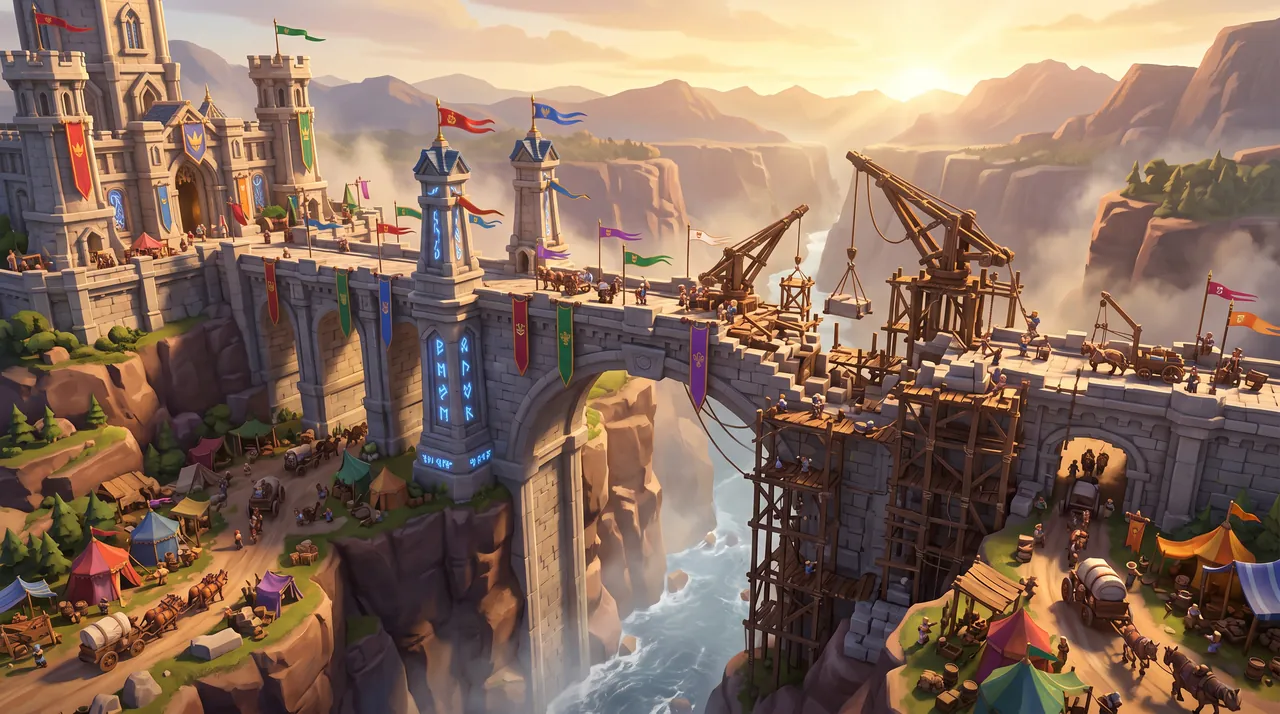
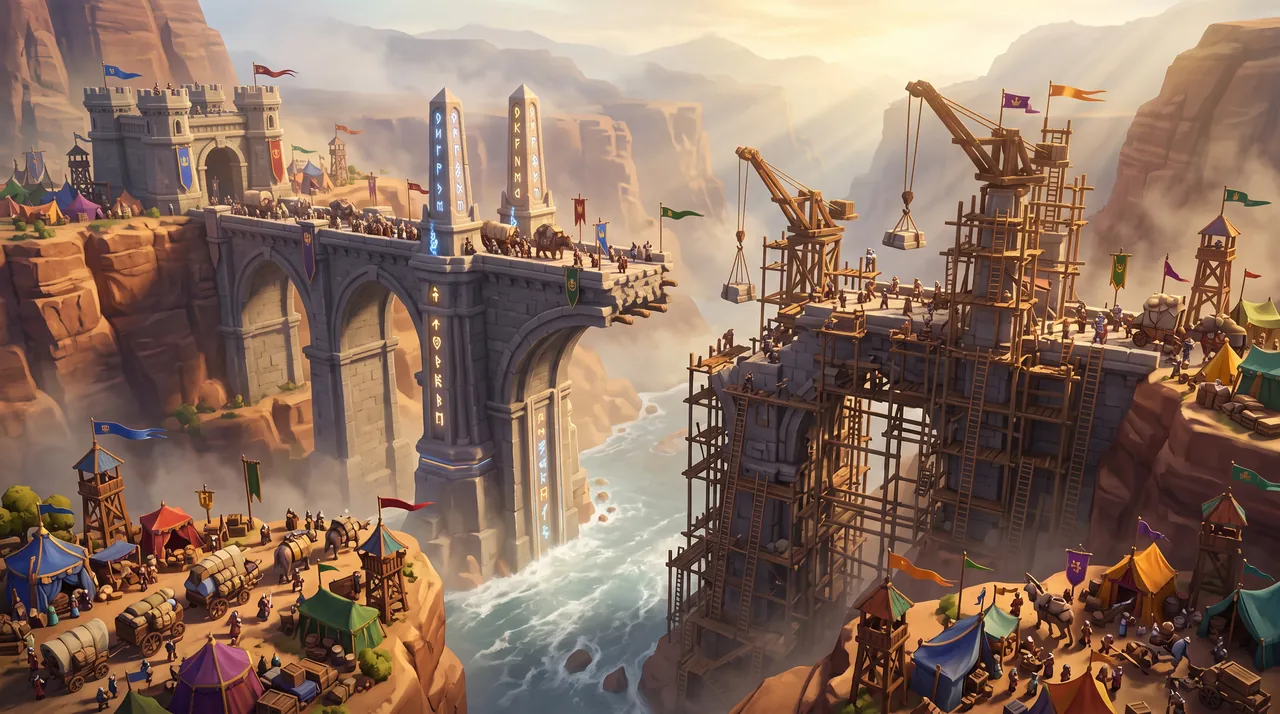
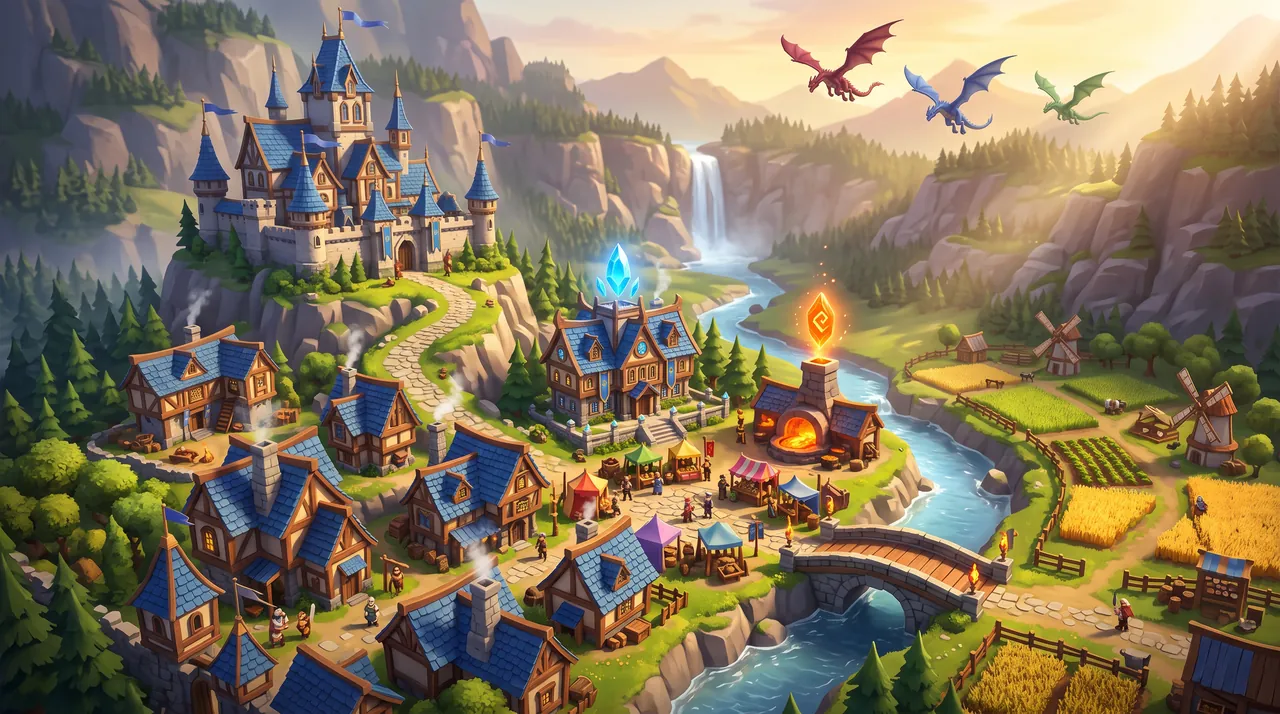
Crownforge is a fantasy medieval city builder. Around the castle stand a farm, sawmill, quarry, mine, forge, marketplace, Academy with the Seven Laws of magic, Tavern and Mage Tower. The castle and every building have 30 levels in six painted stages, and each stage brings an animated rebuild and opens new districts. That answers the first test above: the town changes in a way you can see.
Production keeps running for up to 12 hours while you are away, and an internet connection is required. Other players cannot attack or plunder your city. The pressure comes from the Black Banner Raid, a tower defense battle on your own city map that returns twice a week.
Trying a city building game today
The browser version of Crownforge is playable today in open beta, so balance and screens still change. You can start as a guest and secure your progress later with e-mail or Google. The Android app can be pre-registered on Google Play now, with launch planned for 1 December 2026.
There is one fixed price list for everyone, the odds are shown before every random draw and you can set your own 30-day spending limit. There are no ads.